What Are the Most Common Causes of Hair Loss?
Hair loss is a common concern that can affect both men and women at different stages of life. While losing some hair every day is part of the natural hair-growth cycle, excessive shedding, visible thinning, or bald patches may indicate an underlying cause. Understanding why hair loss occurs is the first step toward choosing an appropriate approach. For people experiencing persistent thinning, Hair Loss Treatment in Riyadh may be considered after identifying the factors contributing to the problem.
Understanding Hair Loss
Every hair follicle follows a natural cycle of growth, rest, and shedding. Problems can develop when this cycle is interrupted, when follicles become weaker, or when hair is lost faster than it can be replaced. Hair Loss Treatment in Riyadh can differ from person to person because hair loss may result from genetics, hormonal changes, nutritional issues, stress, medical conditions, or damaging hair-care practices.
Common Causes of Hair Loss
Hereditary Hair Loss
Genetics is one of the most common causes of gradual hair thinning. Hereditary hair loss can affect men and women, although the pattern may be different. Men may notice a receding hairline or thinning around the crown, while women may experience reduced density across the top of the scalp. Because this type of hair loss can progress slowly, early awareness may help individuals understand their available options.
Hormonal Changes
Hormones play an important role in maintaining the normal hair-growth cycle. Changes associated with pregnancy, menopause, thyroid disorders, and other hormonal conditions may lead to increased shedding or thinning. In some cases, hair may gradually recover after the underlying hormonal change is addressed, while other situations may require further evaluation.
Stress and Emotional Pressure
Significant physical or emotional stress can affect the hair-growth cycle. Major illness, surgery, emotional distress, or other stressful experiences may cause more hairs to enter the shedding phase. One important characteristic is that increased shedding may become noticeable weeks or months after the stressful event, making the original trigger difficult to identify.
Nutritional Deficiencies
Hair follicles need adequate nutrients to support healthy growth. Low levels of certain nutrients, including iron, protein, vitamin D, and zinc, may contribute to increased shedding in some individuals. Restrictive diets and conditions that interfere with nutrient absorption can also affect hair health. Identifying a nutritional problem can therefore be an important part of understanding unexplained hair loss.
Medical Conditions
Some medical conditions can directly or indirectly affect hair growth. Thyroid disorders, autoimmune conditions, scalp infections, and other health problems may cause widespread thinning or distinct patches of hair loss. Sudden or unusual hair loss should therefore not automatically be assumed to be hereditary.
Medications and Medical Treatments
Certain medications may cause hair shedding as a possible side effect. Some medical treatments can also temporarily disrupt the normal hair-growth cycle. If noticeable shedding begins after starting medication or undergoing treatment, discussing the change with a qualified healthcare professional can help determine whether there may be a connection.
Tight Hairstyles and Hair Damage
Repeated tension on the hair can contribute to thinning and breakage. Tight ponytails, braids, buns, and other hairstyles that continuously pull on the roots may place stress on the follicles. Frequent heat styling, harsh chemical treatments, and aggressive brushing can also weaken the hair shaft and make breakage more noticeable.
How Hair Loss Can Appear
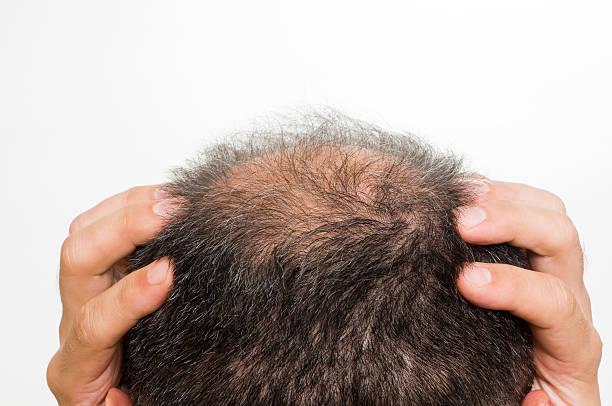
Hair loss does not always look the same. Genetic thinning may develop gradually, while stress-related shedding can cause increased hair fall across the scalp. Some medical conditions can produce clearly defined bald patches, whereas repeated tension may cause thinning around areas where the hair is pulled. Paying attention to the pattern and speed of hair loss can provide useful information during an evaluation.
When Should You Seek Professional Advice?
Occasional shedding is generally normal, but persistent or rapidly increasing hair loss deserves attention. Professional evaluation may be appropriate when thinning develops suddenly, bald patches appear, the scalp becomes irritated, or hair density changes noticeably. Identifying the cause can help prevent an underlying medical or nutritional issue from being overlooked.
How Is the Cause of Hair Loss Identified?
A professional assessment may include questions about when the hair loss began, how quickly it has progressed, family history, recent illnesses, stress, diet, medications, and hair-care habits. The scalp and pattern of thinning may also be examined. Depending on the individual's situation, additional investigations may be recommended to identify possible nutritional, hormonal, or medical contributors.
Can Hair Loss Be Prevented?
Some forms of hair loss, particularly those strongly influenced by genetics or aging, cannot always be completely prevented. However, maintaining balanced nutrition, managing stress, avoiding excessive tension, using gentle hair-care practices, and addressing underlying health conditions may support healthier hair. Paying attention to early changes can also encourage timely professional guidance.
Understanding Treatment Options
The appropriate approach depends on the cause and type of hair loss. Some individuals may benefit from addressing an underlying nutritional or hormonal issue, while others may be candidates for clinically guided hair-restoration treatments. A professional assessment can help determine which options are appropriate based on the individual's hair condition, medical history, and goals.
Book an Appointment at Royal Clinic Saudia
If persistent shedding or noticeable thinning is affecting your appearance or confidence, professional guidance can help you understand the possible cause and available options. At Royal Clinic Saudia, Hair Loss Treatment in Riyadh can be explored following an individualized assessment designed to understand your concerns and discuss suitable treatment options.
FAQs:
What is the most common cause of hair loss?
Hereditary hair loss is one of the most common causes of progressive thinning. It typically develops gradually and can produce different patterns in men and women.
Can stress cause excessive hair shedding?
Yes. Significant physical or emotional stress can disrupt the normal hair-growth cycle and lead to increased shedding. The effect may become noticeable weeks or months after the stressful event.
Can nutritional deficiencies contribute to hair loss?
Yes. Inadequate levels of nutrients such as iron, protein, vitamin D, or zinc may contribute to increased shedding in some individuals. Professional assessment can help determine whether a deficiency is involved.
When should I see a specialist about hair loss?
Consider professional evaluation if hair loss is sudden, persistent, rapidly progressing, patchy, or accompanied by scalp changes. Identifying the cause can help guide appropriate care.

 Arabic
 French