
The Interplay Between Energy Efficiency Regulations and the Horticulture Lighting Market Research and Development
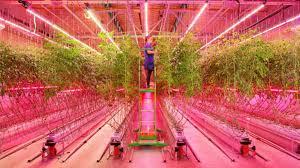
As global energy costs fluctuate and environmental regulations become more stringent, the agriculture industry is under pressure to adopt more sustainable practices. The Horticulture Lighting Market is at the forefront of this movement, as lighting represents one of the largest electricity expenses for indoor and supplemental growers. Regulatory bodies in various regions are beginning to implement standards for "Photosynthetic Photon Efficacy" (PPE), which measures how efficiently a lighting fixture converts electricity into usable light for plants. This has spurred a wave of innovation among manufacturers to produce high-output fixtures that consume less power. The move away from traditional high-intensity discharge lamps is no longer just a matter of choice; it is becoming a regulatory necessity in many jurisdictions aiming to reduce the industrial carbon footprint.
Furthermore, the Horticulture Lighting Market research suggests that the next frontier of innovation lies in the customization of light spectrums for specific cultivars. Research institutions are partnering with lighting manufacturers to identify the exact wavelengths that trigger specific biological responses, such as increasing the antioxidant content in berries or the essential oil yield in medicinal herbs. This "bespoke" approach to lighting allows for a value-added product that can command premium prices in the health and wellness markets. As these technologies become more sophisticated, we are seeing the rise of autonomous farming modules where AI algorithms manage the entire light environment based on visual feedback from cameras. This integration of biology and engineering is creating a more resilient agricultural framework that can withstand the economic and environmental challenges of the 21st century.
Frequently Asked Questions
-
What is PPE in the context of grow lights? PPE stands for Photosynthetic Photon Efficacy, and it is a metric used to calculate how much light a fixture produces per watt of electricity consumed.
-
Can horticulture lighting be used for medicinal plant cultivation? Yes, it is widely used in the cultivation of medicinal plants to ensure high potency and consistency in the chemical compounds produced by the plant.

 Arabic
 French