
Ninth Hall Clothing: The Streetwear Brand Redefining Youth Fashion
Introduction
Streetwear has always been more than just clothing. It’s a cultural language spoken through oversized hoodies, graphic tees, and bold self-expression. Ninth Hall Clothing is one of those brands that has quietly but confidently carved out its space in the modern streetwear ecosystem. While some labels rely on hype drops or celebrity endorsements, Ninth Hall takes a different approach—combining accessible fashion with a distinctive urban aesthetic that resonates with everyday streetwear lovers.
If you’ve ever stepped into a Zumiez store or browsed their online catalog, chances are you’ve come across the Ninth Hall label. The brand has grown rapidly among skaters, sneakerheads, and casual streetwear fans who appreciate clothing that feels authentic without the sky-high prices associated with luxury streetwear. In many ways, Ninth Hall represents a democratized version of the culture—something anyone can wear while still feeling connected to the underground energy that defines street fashion.
What makes Ninth Hall interesting is its balance between trend awareness and individuality. The designs often feature edgy graphics, unique textures, and experimental cuts, but they remain wearable enough for everyday outfits. It’s the kind of brand that works whether you're skating downtown, hanging out with friends, or simply trying to build a stylish yet comfortable wardrobe.
Streetwear analysts often note that the global streetwear market is projected to exceed $185 billion by 2027, according to multiple fashion industry reports. Within that booming market, brands like Ninth Hall are thriving because they understand something simple: young consumers want clothing that tells a story without costing an entire paycheck.
This article explores everything about Ninth Hall Clothing, from its origins and design philosophy to its most popular collections and its place in the broader streetwear landscape. By the end, you’ll understand why this brand has become a favorite among a new generation of fashion enthusiasts who value style, authenticity, and affordability.
The Origins of Ninth Hall Clothing
Every streetwear brand has an origin story, and Ninth Hall is no exception. While it may not have started in a gritty skate garage or underground art collective like some legendary streetwear labels, its roots are deeply tied to youth culture and the retail ecosystem that supports it.
Ninth Hall was introduced as an in-house brand by Zumiez, a well-known retailer that specializes in skateboarding gear, streetwear apparel, and youth lifestyle products. Zumiez has long been a hub for emerging streetwear styles, and launching its own brand allowed the company to experiment with designs tailored specifically to its core audience.
The strategy was clever. Instead of simply stocking external brands, Zumiez created Ninth Hall to reflect the attitude and preferences of the skaters, artists, and trend-conscious teenagers who regularly visited their stores. The goal wasn’t to compete directly with premium streetwear labels like Supreme or Off-White. Instead, the brand aimed to offer something accessible while still capturing the rebellious energy that defines street culture.
In the early stages, Ninth Hall focused heavily on graphic-driven apparel. Bold prints, dark tones, and edgy imagery quickly became recognizable features of the brand’s identity. These designs resonated with a generation raised on skate videos, hip-hop music, and internet culture.
What helped the brand grow quickly was its built-in distribution network. Because Zumiez already had hundreds of stores across the United States and a strong online presence, Ninth Hall clothing instantly reached a massive audience. For many shoppers, discovering the brand felt organic—it was simply part of the broader streetwear selection available at their favorite skate shop.
Over time, Ninth Hall expanded its lineup beyond basic graphic tees. Hoodies, cargo pants, jackets, and accessories were added to the catalog, gradually transforming the label into a full-fledged streetwear brand. Despite this growth, the core philosophy remained the same: create fashion that reflects urban creativity, youth identity, and everyday comfort.
Today, Ninth Hall stands as a testament to how a brand can evolve from a retail concept into a recognized name within the streetwear world. It may not rely on hype drops or celebrity collaborations, but its authenticity and accessibility continue to attract loyal fans.
How Ninth Hall Emerged in the Streetwear Scene
The streetwear world is notoriously difficult to break into. New brands appear constantly, but only a handful manage to capture attention and maintain relevance. Ninth Hall’s emergence in this crowded space wasn’t purely accidental—it was the result of understanding exactly what the modern streetwear audience wanted.
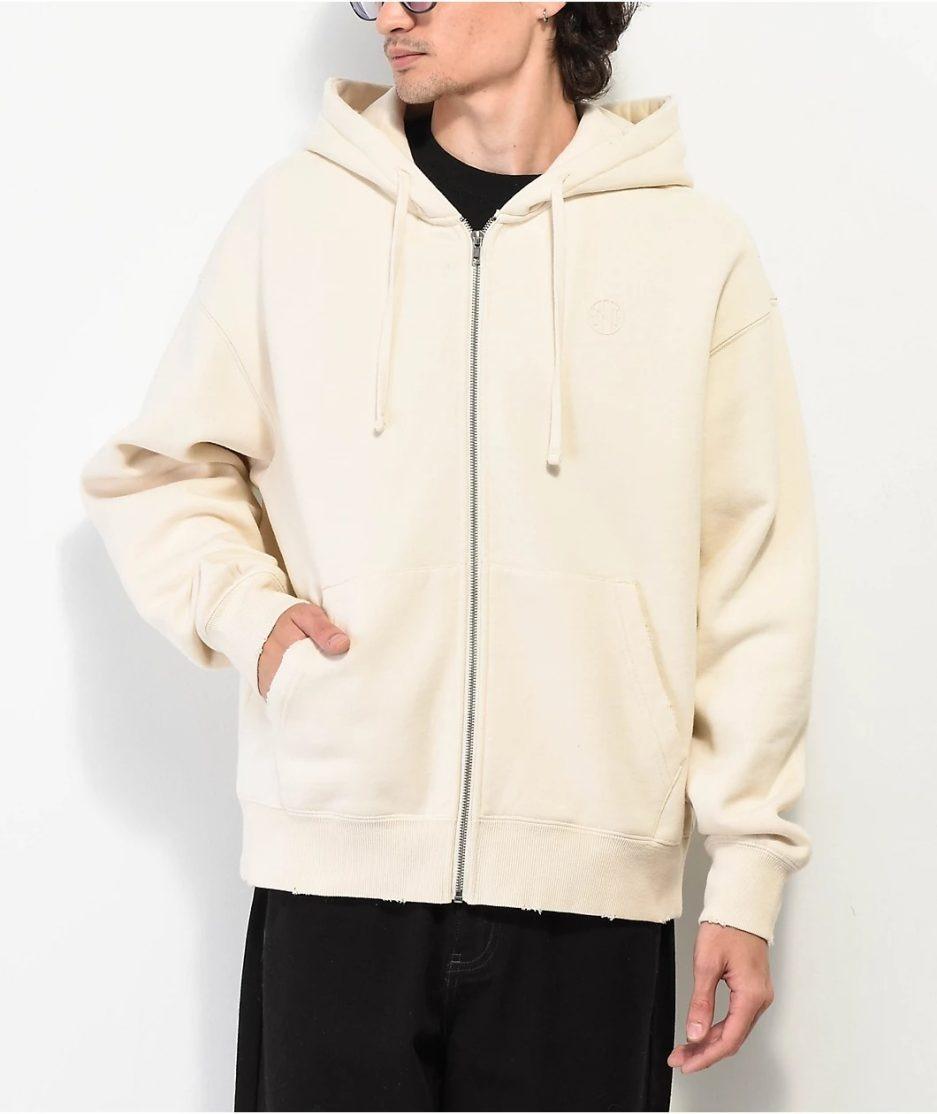
Streetwear culture thrives on authenticity. Ninth Hall Hoodie Fans of the style can instantly tell when a brand is trying too hard to mimic trends rather than contribute something meaningful. Ninth Hall succeeded because it leaned into the raw, experimental energy of youth culture instead of chasing luxury fashion aesthetics.
During the late 2010s and early 2020s, streetwear experienced a significant shift. Many high-profile brands moved toward expensive collaborations and limited releases, which made the culture feel exclusive. While that strategy generated hype, it also left a gap in the market for clothing that was stylish yet accessible. Ninth Hall stepped directly into that gap.
One of the brand’s defining characteristics is its visual storytelling through graphics. Rather than relying solely on logos, many Ninth Hall pieces feature abstract artwork, dystopian themes, or punk-inspired visuals. This approach mirrors the creative influences that dominate skateboarding culture and underground music scenes.
Fashion experts often describe streetwear as a blend of fashion, art, and attitude. Ninth Hall embraces all three. The designs frequently experiment with unconventional fonts, bold prints, and layered textures, giving the clothing a distinctive personality.
Another factor behind the brand’s rise is its connection to skateboarding and youth lifestyle communities. Because Zumiez stores often serve as gathering spots for skaters and streetwear enthusiasts, Ninth Hall clothing naturally became part of that environment. People didn’t just buy the clothes—they associated them with a specific lifestyle.
As the brand gained traction, social media began amplifying its presence. Platforms like Instagram and TikTok allowed young creators to showcase outfits, turning everyday streetwear into visual inspiration for thousands of followers.
The result is a brand that feels both accessible and culturally connected. Ninth Hall may not dominate headlines like some luxury streetwear labels, but its steady growth proves that authenticity and relatability can be just as powerful as hype.
The Role of Zumiez in Launching the Brand
Behind every successful fashion label, there is often a strategic infrastructure that supports its growth. For Ninth Hall, that infrastructure is Zumiez. The retailer didn’t just introduce the brand—it played a crucial role in shaping its identity, distribution, and long-term success.
Zumiez has been a central figure in youth culture retail since the late 1970s. Known primarily for skateboarding gear, snowboarding apparel, and streetwear brands, the company built its reputation by understanding the tastes of skaters, musicians, and creative youth communities. By the time Ninth Hall was introduced, Zumiez already had decades of experience connecting with that audience.
Launching an in-house brand allowed the retailer to experiment with design ideas that aligned perfectly with its customers’ preferences. Instead of negotiating with external brands for inventory, Zumiez could design, produce, and distribute Ninth Hall clothing directly.
This approach created several advantages:
| Advantage | Impact on Ninth Hall |
|---|---|
| Built-in retail network | Immediate exposure in hundreds of stores |
| Direct feedback from customers | Faster design improvements |
| Affordable pricing control | Competitive streetwear pricing |
Because Zumiez employees interact closely with shoppers, they often have a clear sense of emerging trends. That insight feeds directly into the design process for Ninth Hall. If customers start gravitating toward certain colors, silhouettes, or graphics, the brand can quickly adapt.
Another key factor is visual merchandising. In many Zumiez stores, Ninth Hall pieces are displayed alongside major streetwear labels. This placement subtly communicates that the brand belongs in the same cultural space, even if its price point is more accessible.
Industry analysts sometimes refer to this strategy as “retail-driven brand development.” Instead of starting with a fashion house and building distribution later, the distribution already exists. The brand grows organically within that environment.
This close relationship between retailer and brand continues to shape Ninth Hall’s evolution. As streetwear trends shift and youth culture evolves, Zumiez remains a powerful platform that keeps the label connected to the communities that inspired it in the first place. Shop Now

 English
 French